Mixed-methods UX researcher for AI products: field studies, interviews, and usability sessions; surveys, experiments, and behavioral log and prompt-data analysis; LLM evaluation against human judgment. Ph.D. Candidate at the University of Florida, where I design, build, and study AI tools for learning.
151middle-school students in a live deployment of an AI safety layer I built (F1 .928)
10case studies across qualitative, quantitative, and AI-evaluation research
18AI systems I designed, built, and shipped as research instruments
17first-author papers and talks, incl. an AIED 2026 long paper (16.7% acceptance)
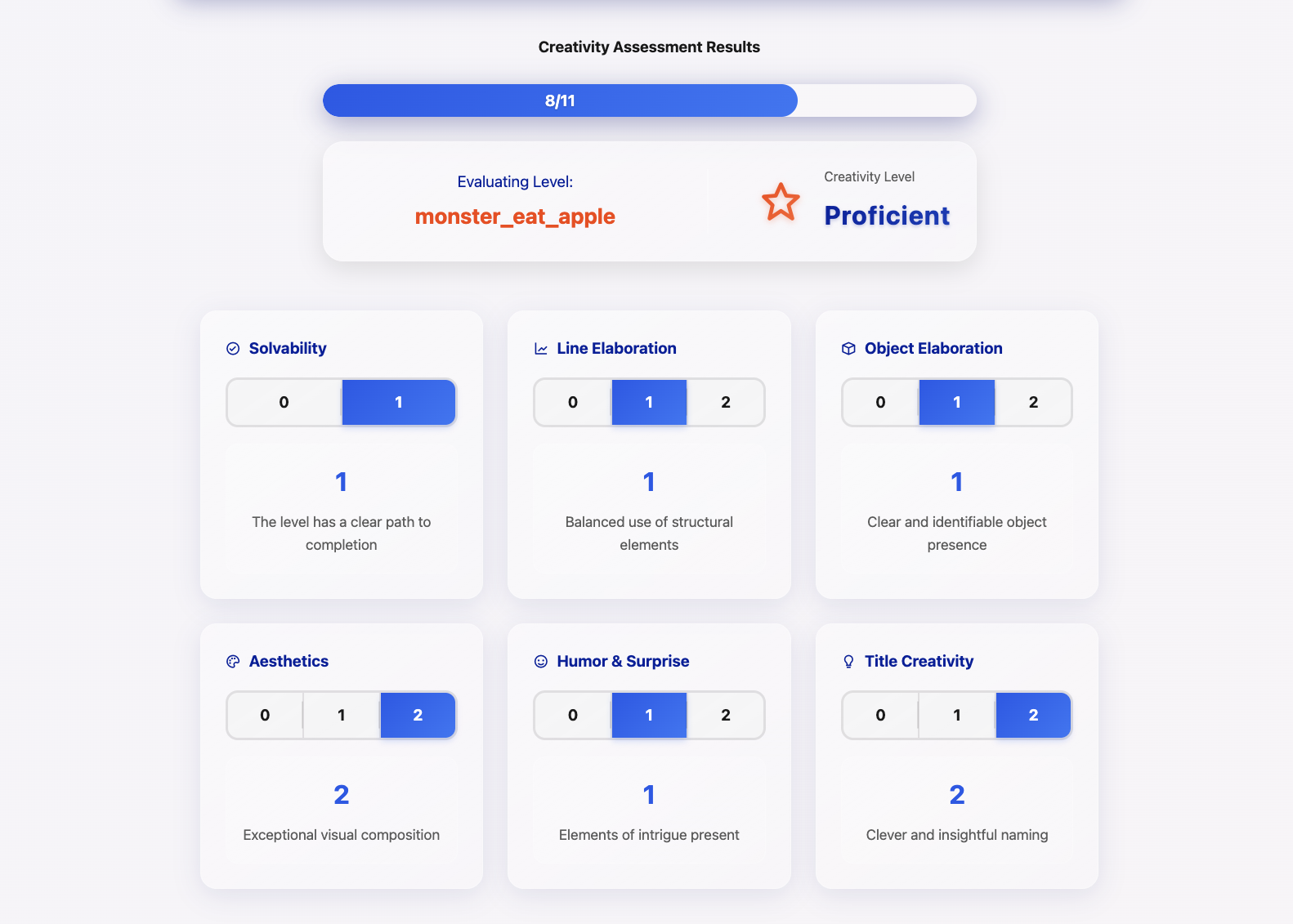
Try a finding · 30 seconds
An AI says it is 90% sure. Would you believe it?
We asked three LLMs to code real student messages into one of nine categories, and to say how confident they were. Make your guess, then see what we found.
most people guess high →↓
Can you give me a Java example of a for-loop?
AI says: exampleconf. ≈ 0.9
01
trustAI as the judge
When can AI be trusted to judge?
AI now grades work, polices conversations, flags cheating, and reports its own confidence. I test those judgments against people, and design what happens when they fall short.
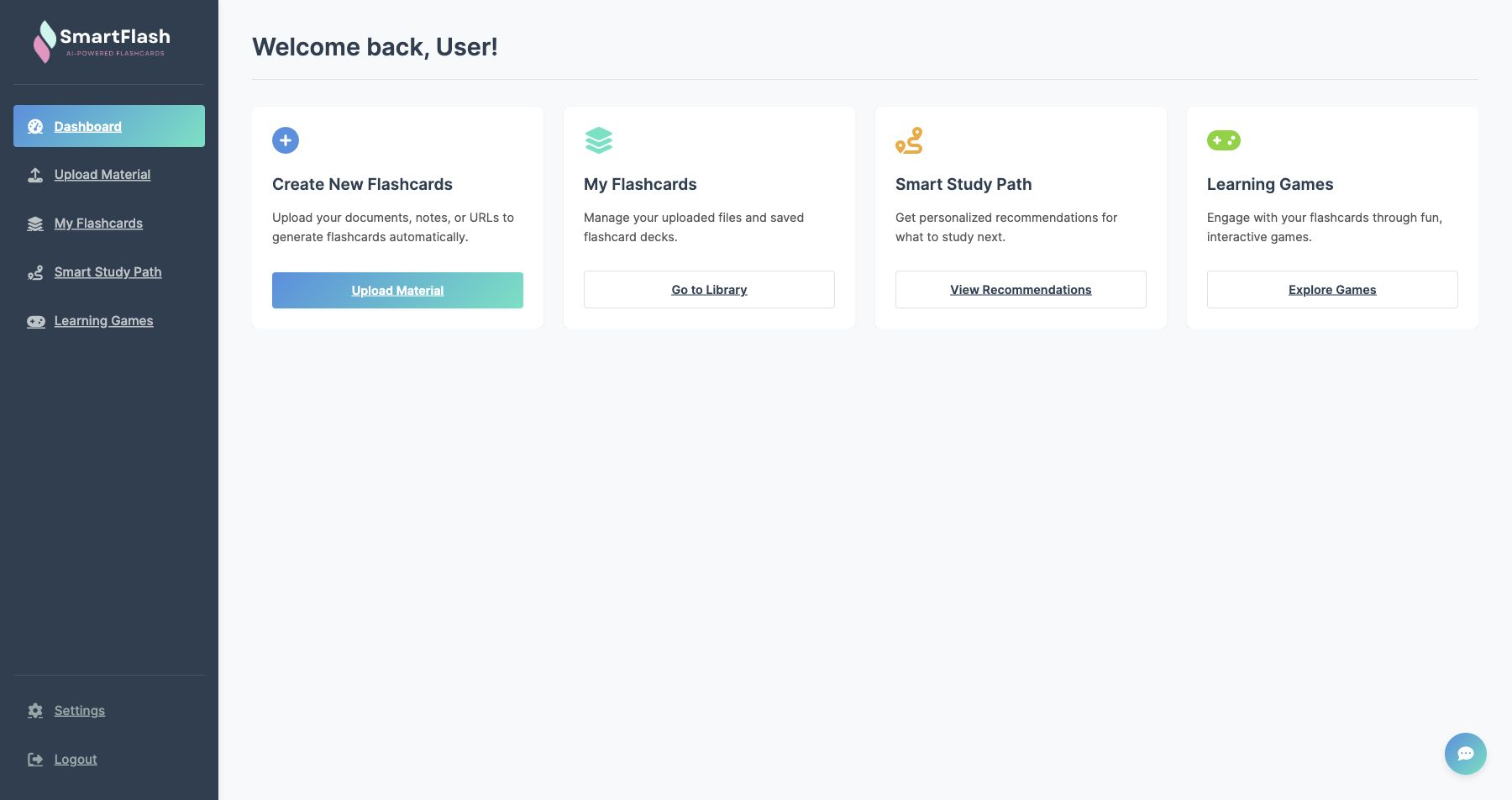
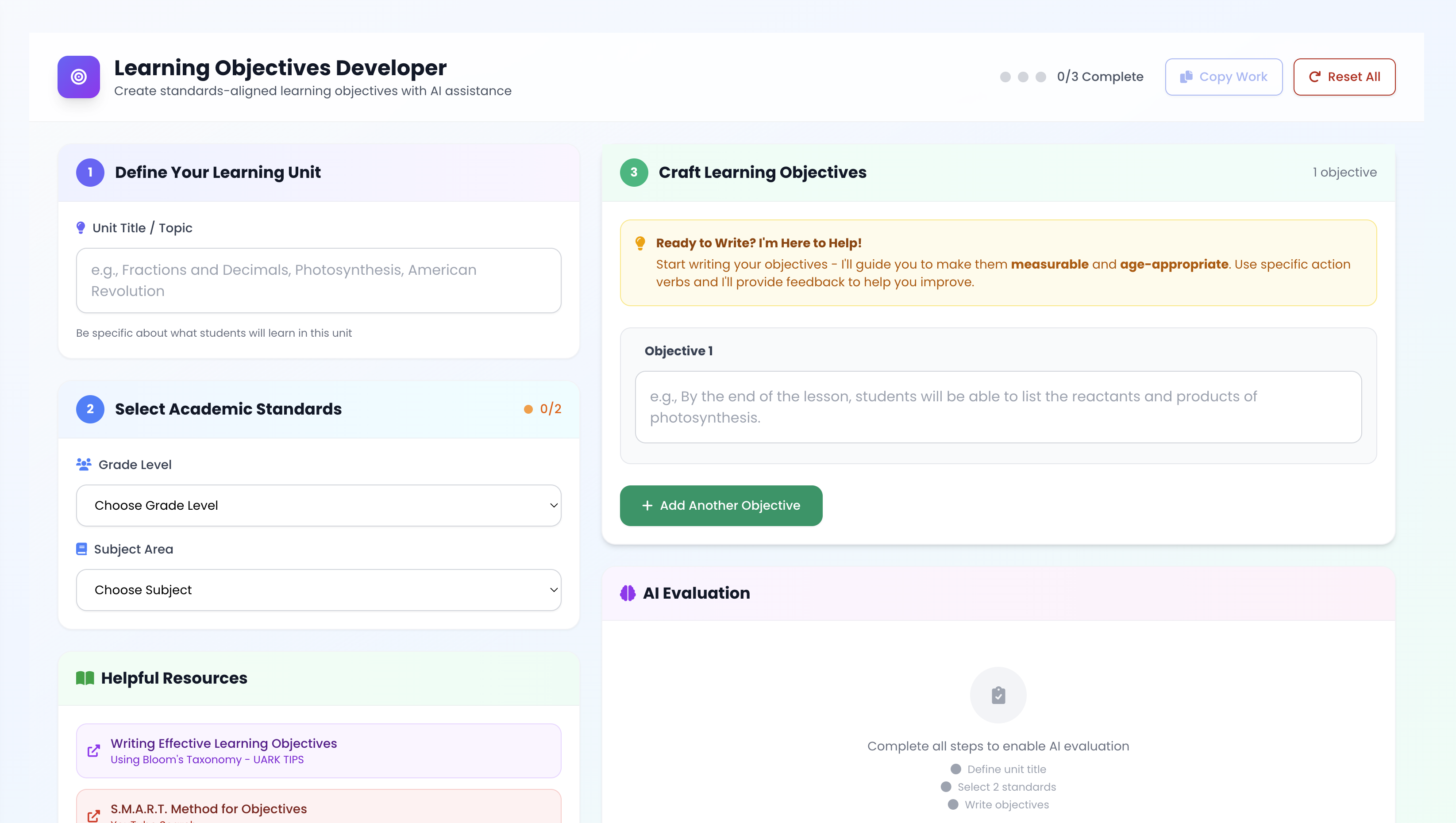
AI can draft study cards, learning objectives, and quizzes in seconds. I study which parts people need to check, change, and own, and build tools around that line.
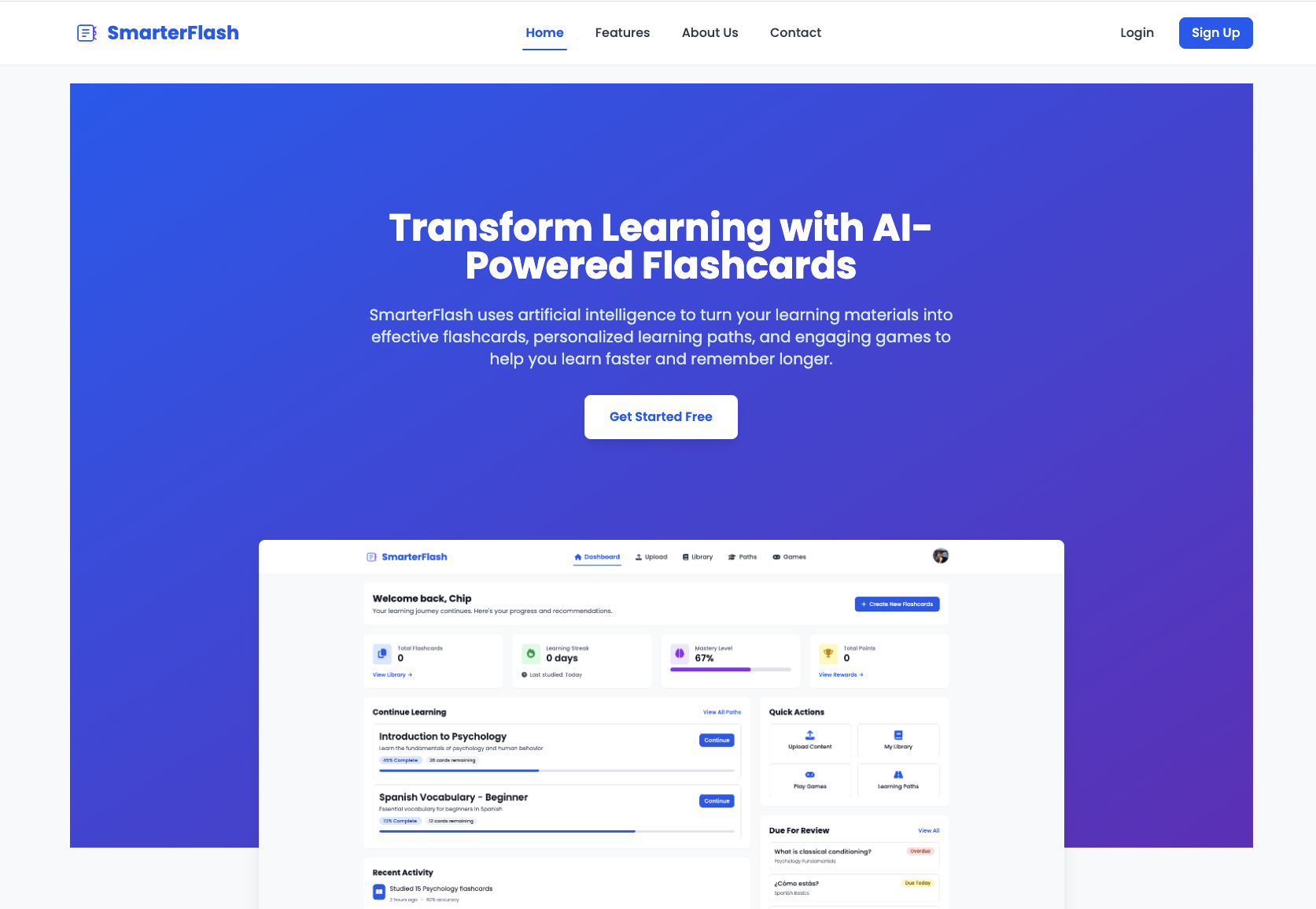
SmarterFlash · Qualitative research · Human-AI agency
How do educators stay the decision-maker when AI drafts their learning objectives?
framework design
expert agreement (weighted κ)
blind quality comparison
expert feedback
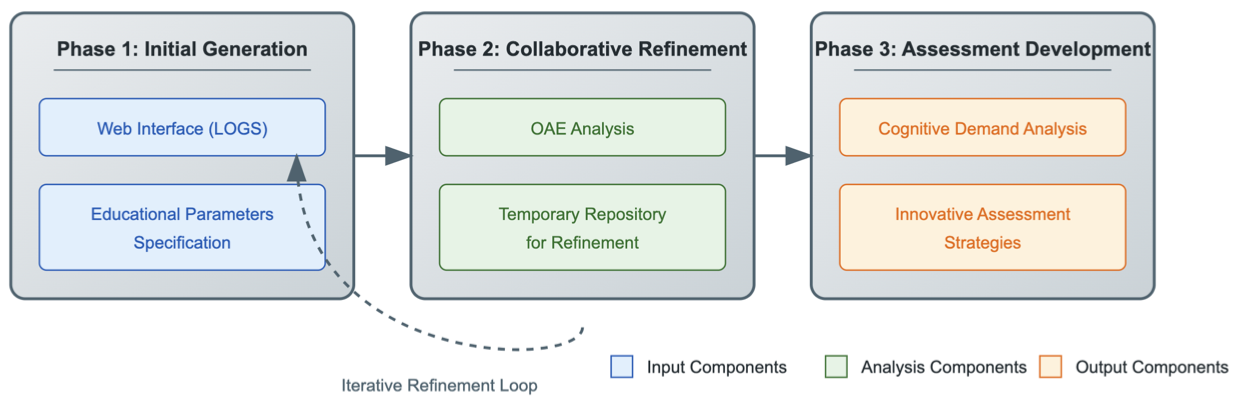
Splitting the AI into a generator and a separate evaluator kept educators in charge. Ten months later, the OECD’s Digital Education Outlook gave ARCHED its own box.
Spotlight paper, iRAISE @ AAAI 2025 · featured in the OECD Digital Education Outlook 2026 · a chapter resource in a Routledge textbook
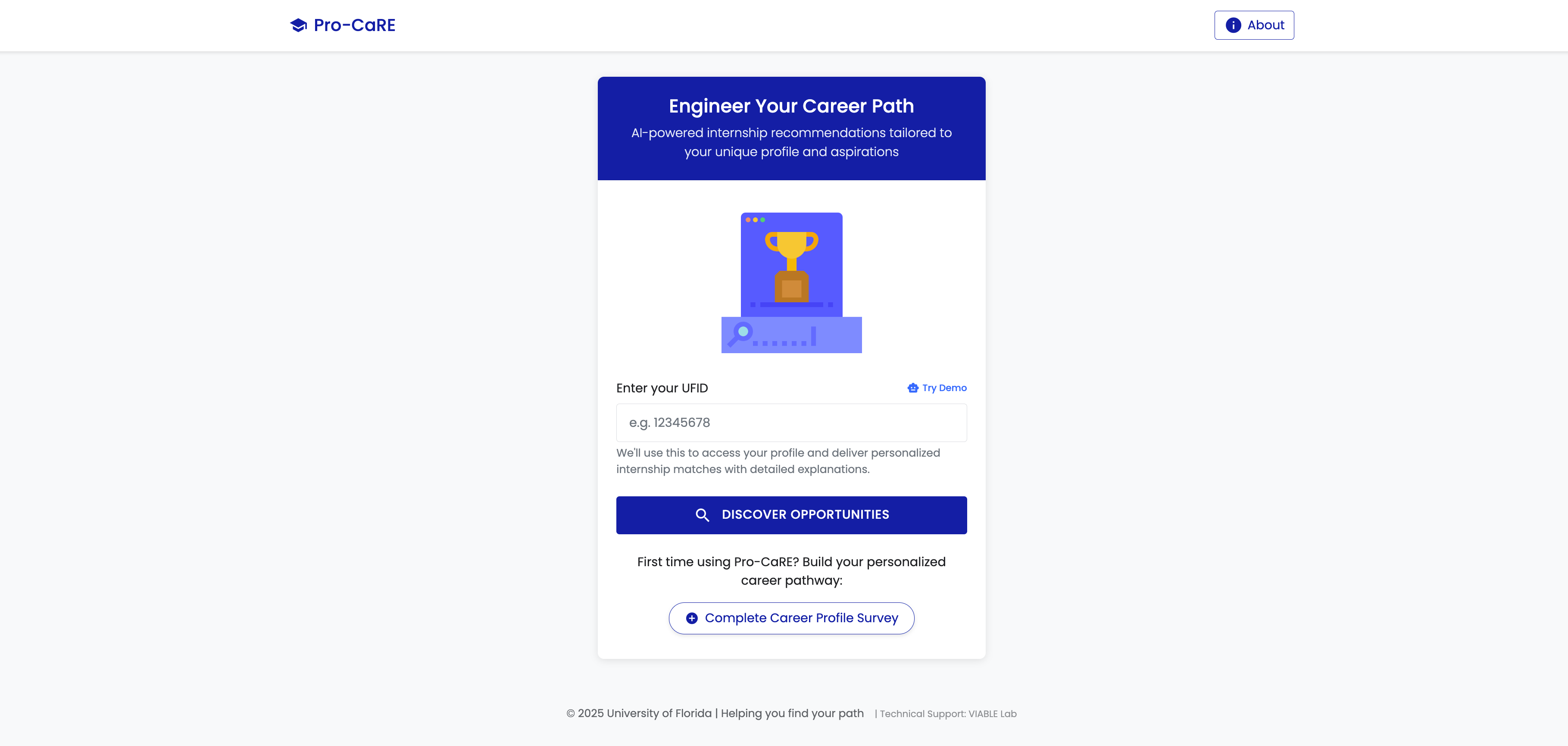
Teachers hand AI their class logs, students hand it career choices, researchers hand it their metrics. I design the summaries, explanations, and honest numbers that make that hand-off safe.
GM Dashboard · Mixed methods · From logs to decisions
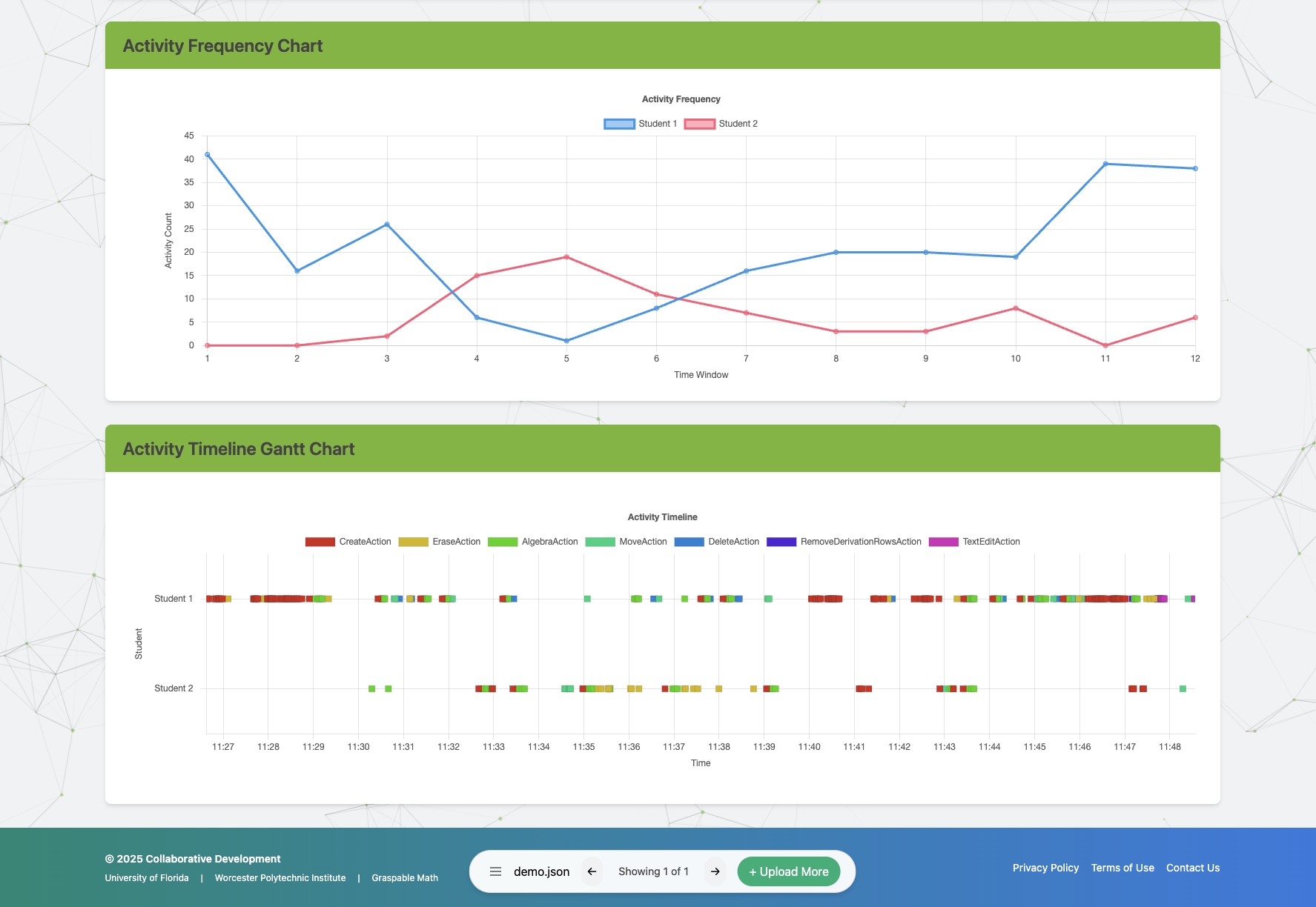
What does a teacher need to act on 20 minutes of collaborative math, at a glance?
log analysis (448K events)
time-series clustering
classroom fieldwork
teacher co-design
LLM pipeline
Clustering found real collaboration patterns, but the teacher couldn’t act on them. An AI layer on top of the charts now flags breakthroughs and struggles, so she doesn’t have to decode them.
EDM 2024 (first author) · AIED 2025 (under 16% acceptance) · public dashboard with anonymized demo data
I build the instrument, then study the people using it
Building the product myself keeps the loop between a finding and a design change short. Every method below links to where I used it.
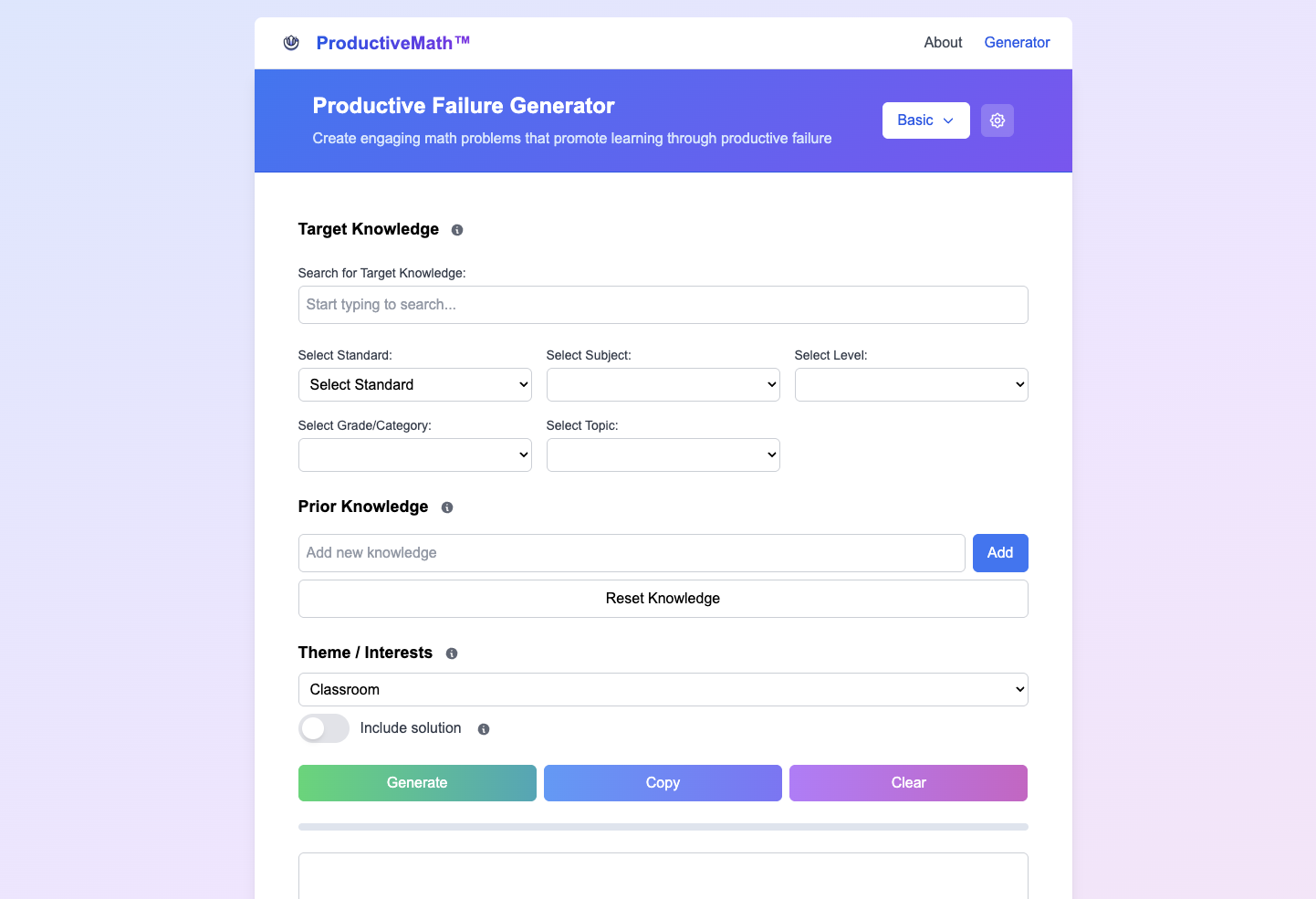
FrameTurn a product decision into a research question someone can act on.
BuildMake the instrument: the prototype, the consent flow, the telemetry.
StudyWatch real use: think-alouds, field deployments, logs, audits.
ChangeShip the decision, then measure whether it held.
AI in my research
I seed hypotheses with an LLM and then test them against people (SmarterFlash), run LLM pipelines with human audits (VETTING) or validation layers (GM Dashboard) on top, and build study instruments and analysis code with Claude Code and Codex every day.
Tools
Python (pandas, scikit-learn, PyTorch, Hugging Face), SQL (PostgreSQL, SQLite/D1), statistics from regression to bootstrapped confidence intervals, and Kaggle Competitions Master for the machine-learning side.
Instrumentation
I design telemetry schemas, consent flows, and logging standards into the products I study, so the data a study needs exists before the study starts.
A shared logging standard means any study can be replayed: the exact prompt, model, response, cost, and latency of every turn, tagged by product, feature, and session.
Products
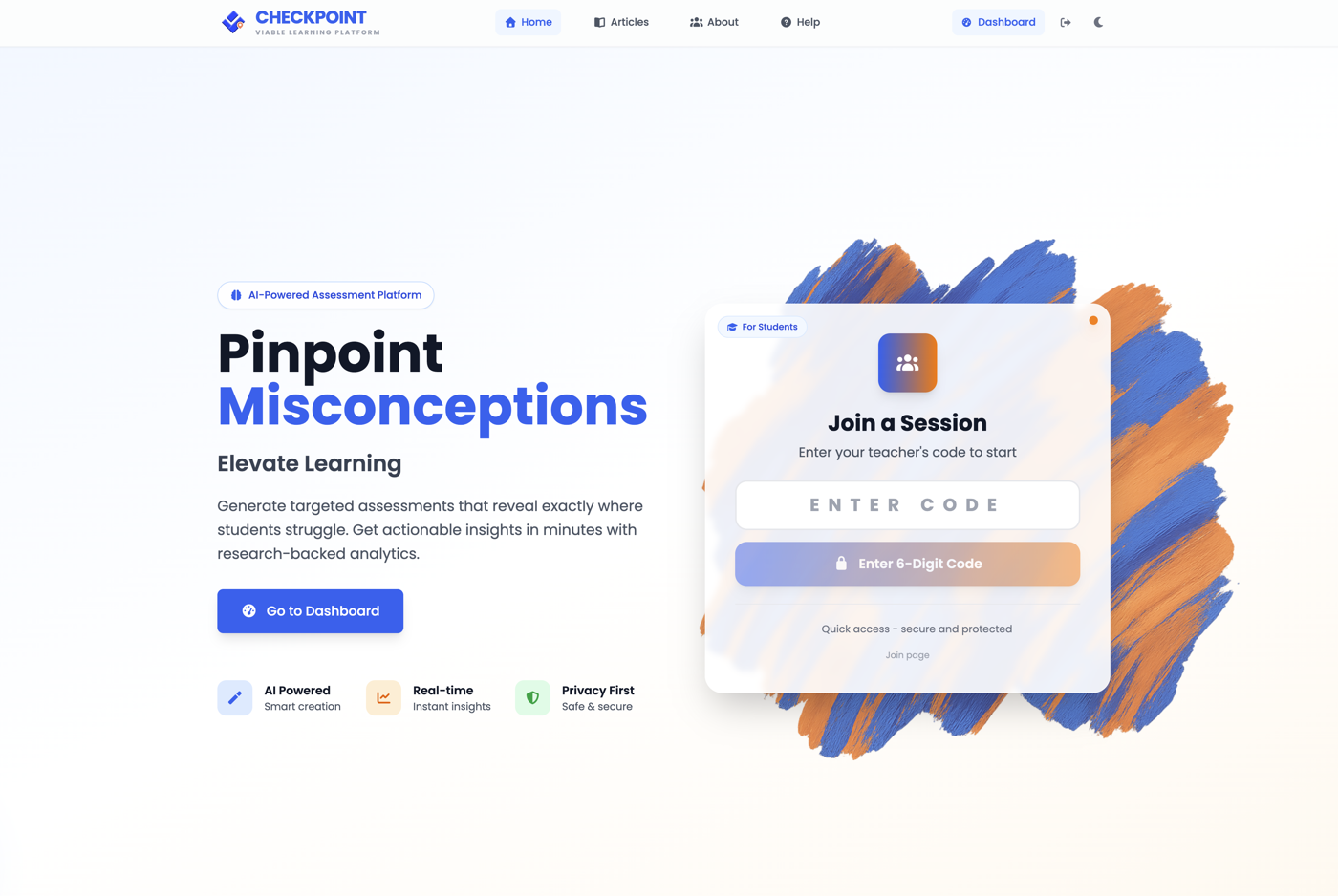
CHECKPOINT
SmarterFlash
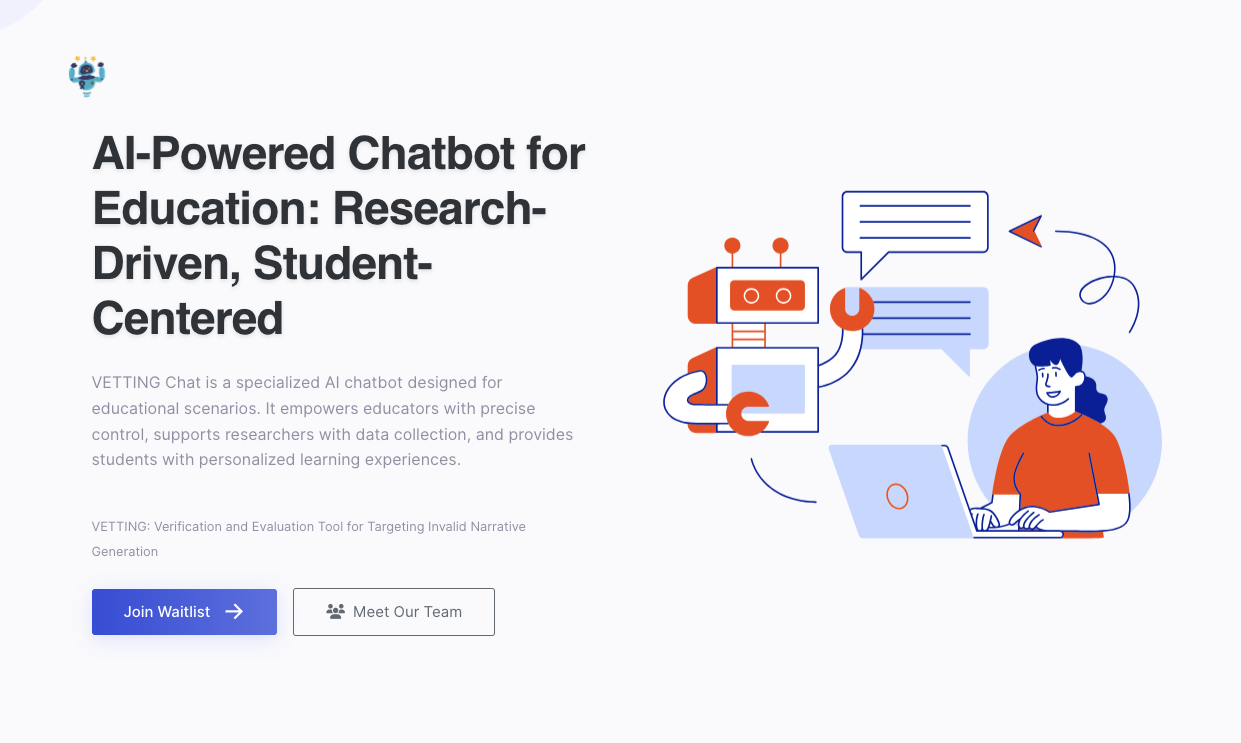
VETTING studies
GM Dashboard
Class-Ready AI
ChronoForge
Rubber Ducking
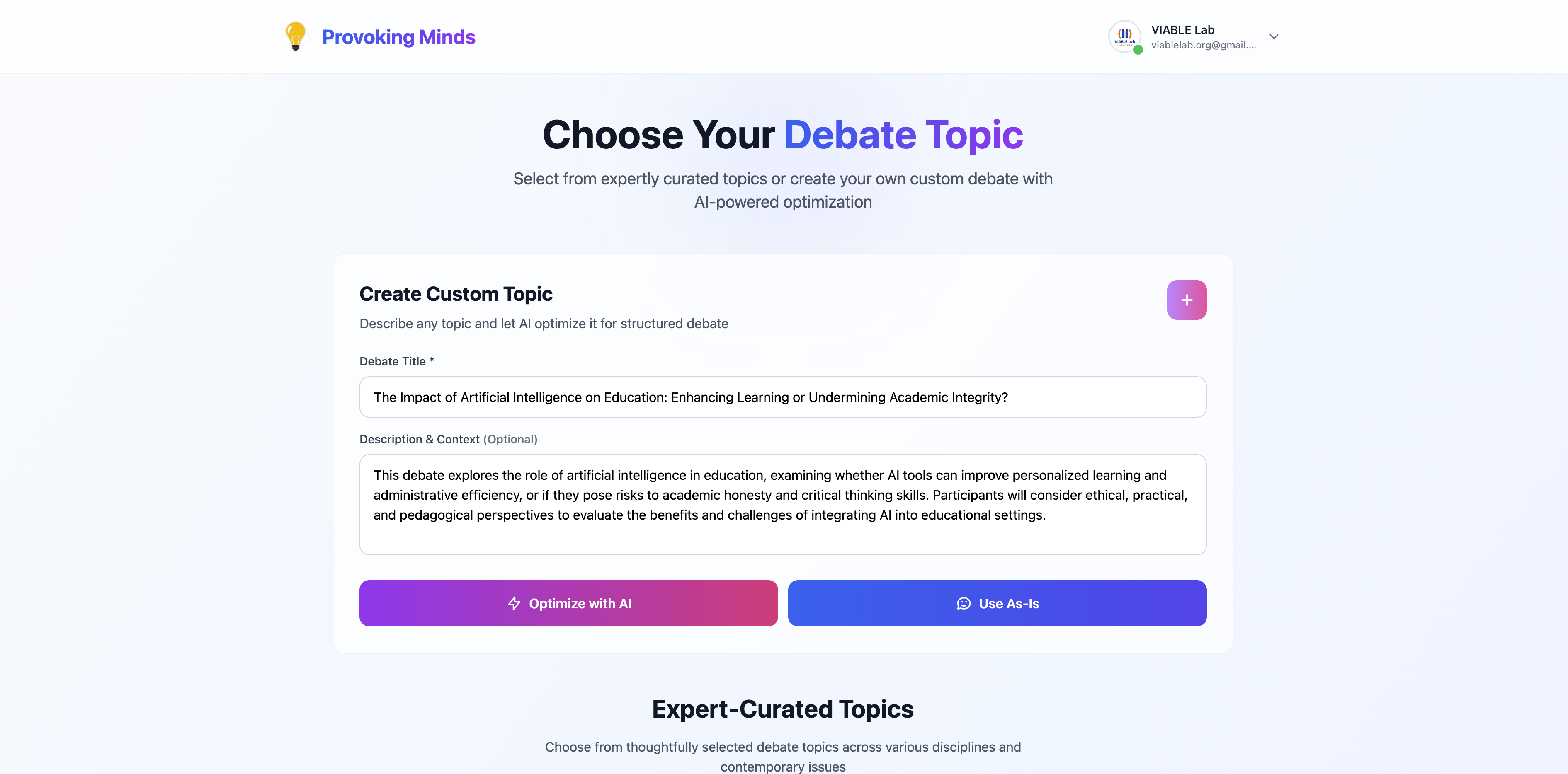
Provoking Minds
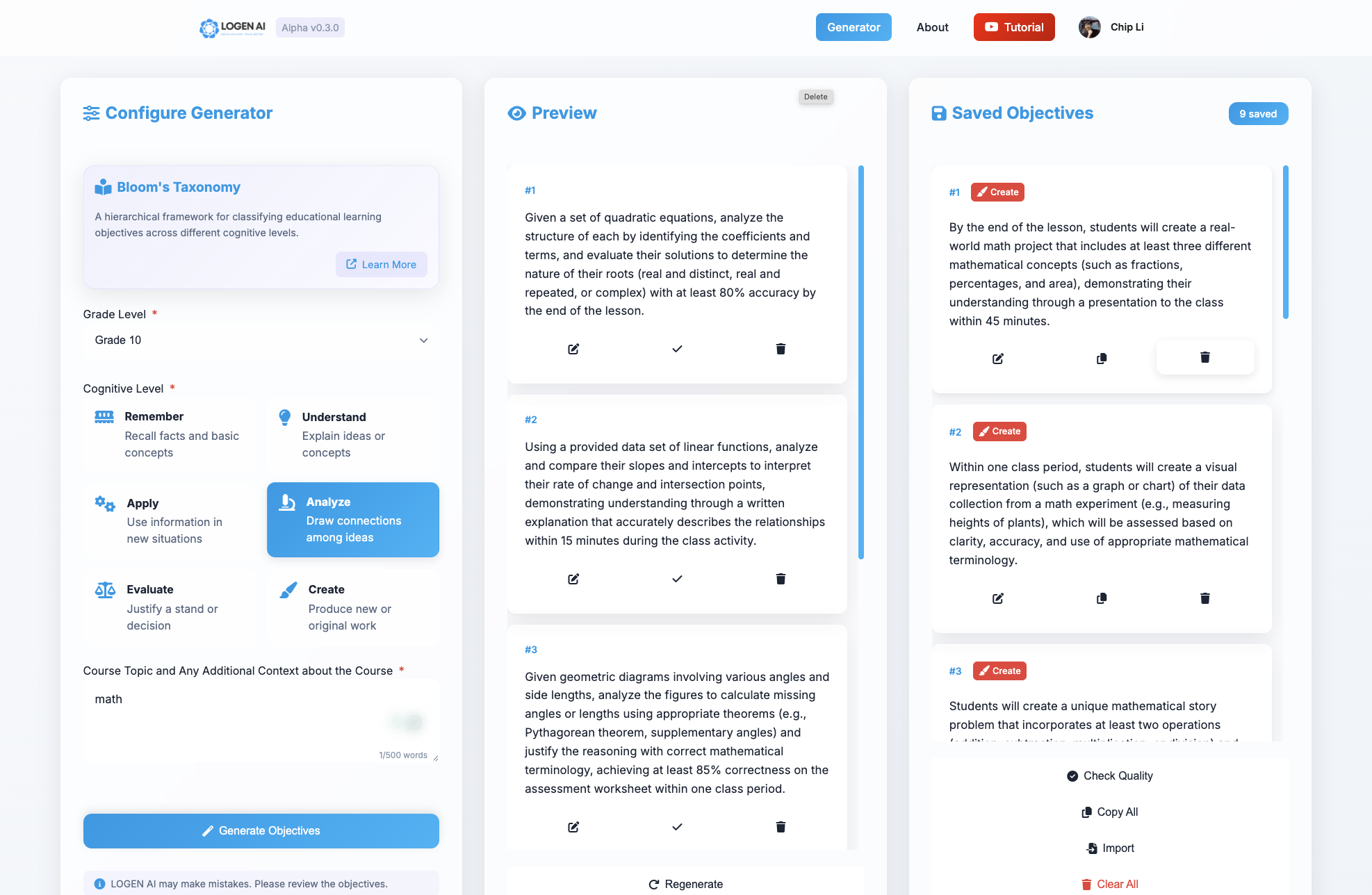
LOGEN AI
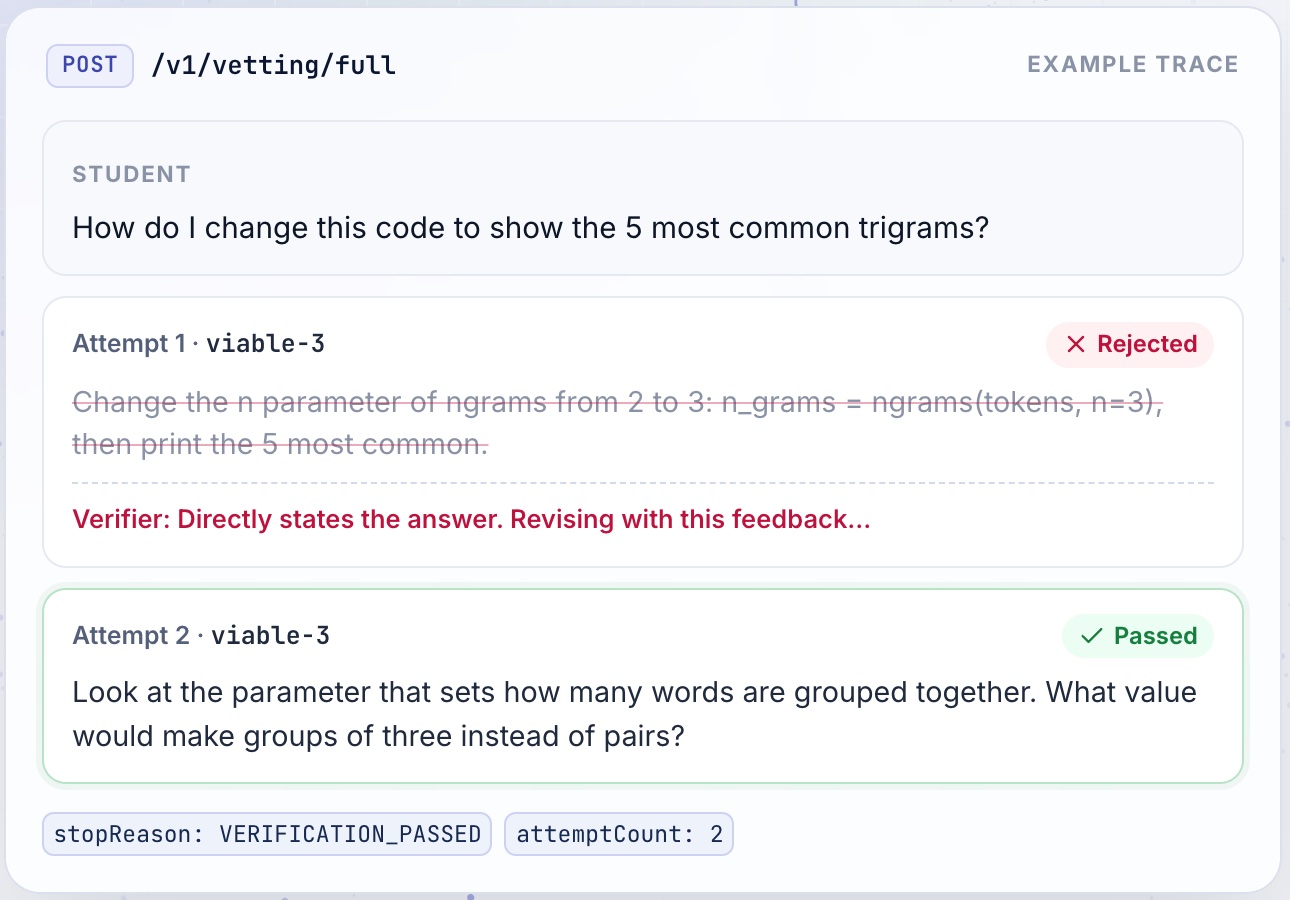
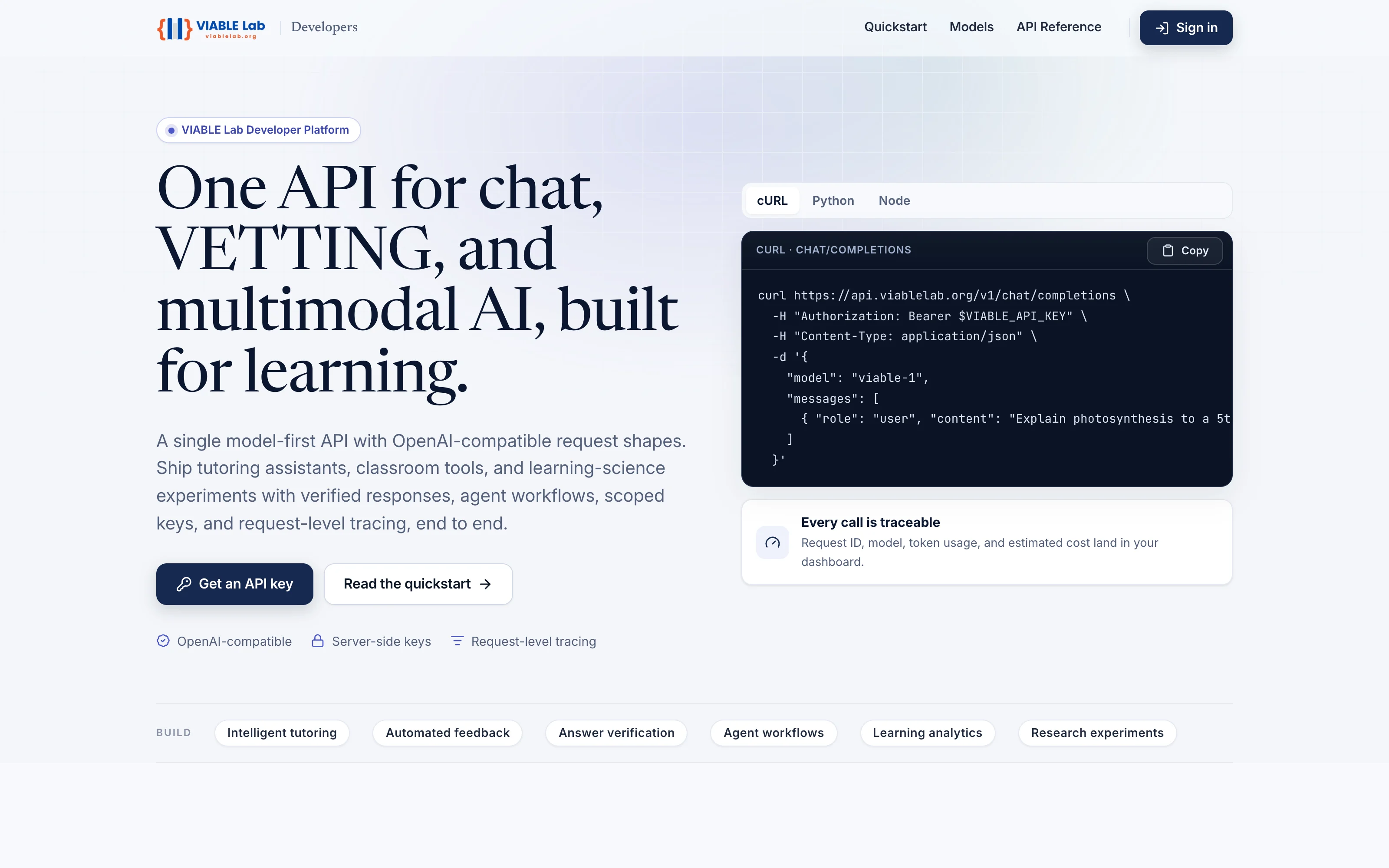
VIABLE Lab Developer Platform
One OpenAI-compatible API, 46 models
Commercial and lab-hosted open-weight models behind one key. Requests are tagged with X-Platform-ID and an operation, and VETTING verification is one endpoint away.
Full-text request logs for replay, or a metadata-only mode
Uploaded images and audio archived with hashes; every read audit-logged
Step-by-step traces of agent runs
Scoped CSV and JSONL exports that expire in 24 hours
It has two audiences, developers and their coding agents, so it ships a written interaction contract for the dashboard, plain-language error messages with request IDs, and an agent guide that tools like Claude Code can follow end to end.
Design notes
One decision each
Smaller projects where a single design choice carried the work.
Class-Ready AI
The AI coaches. It never rewrites.
Pre-service teachers write their own learning objectives; the AI responds with questions and guidance, never a finished rewrite. A quick 1–5 helpfulness rating appears at a natural pause, after feedback and before the next edit, so it samples experience in context.
Prompt changed from “offer a concrete suggestion” to question-style coachingClass-Ready AI ↗
ChronoForge
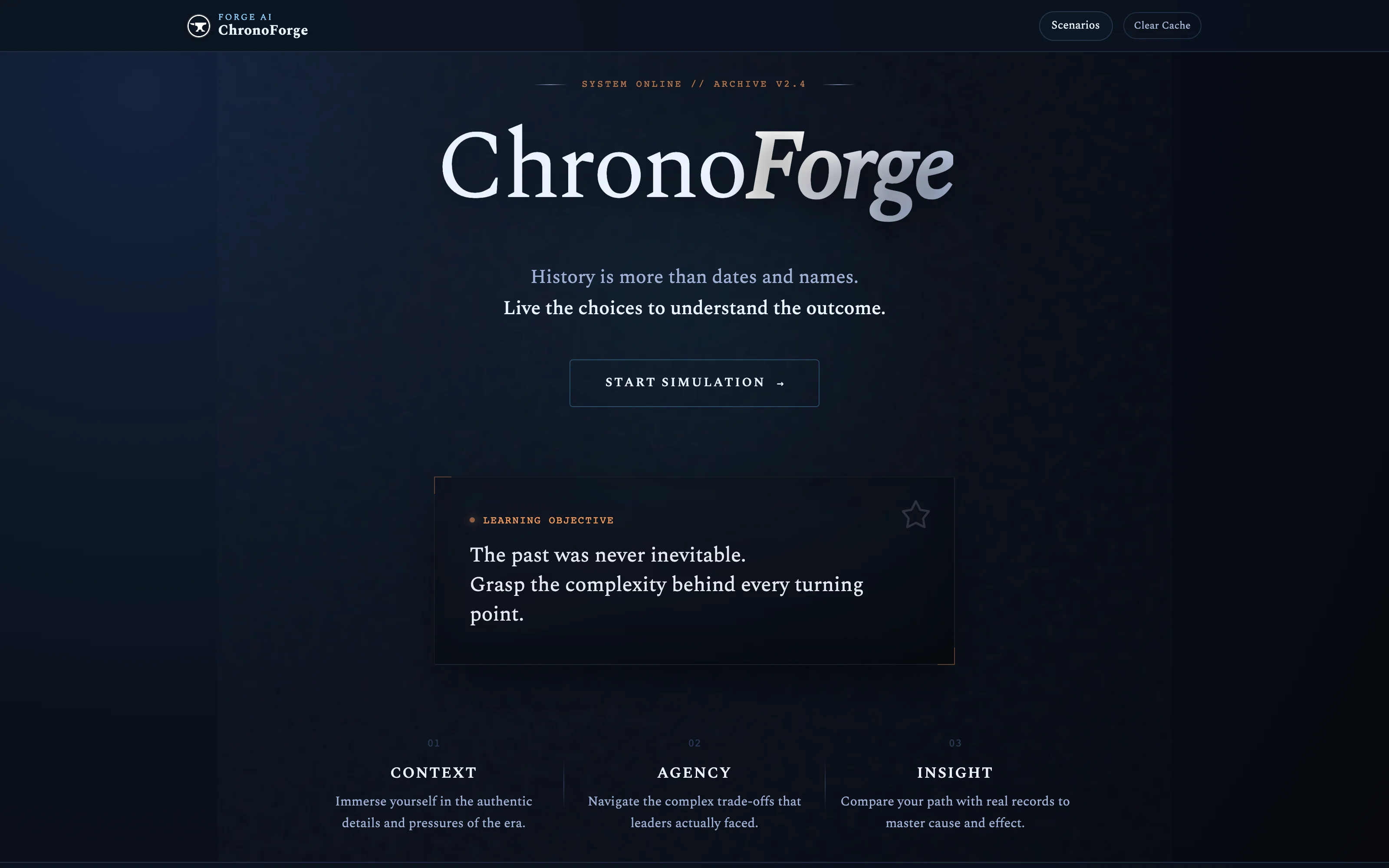
You choose, the LLM narrates.
Students live through historical turning points. An LLM narrates every scene from their choices, but on key rounds a deterministic engine swaps in authored options, so history stays anchored. The ending compares their path with the real record, with no shaming language.
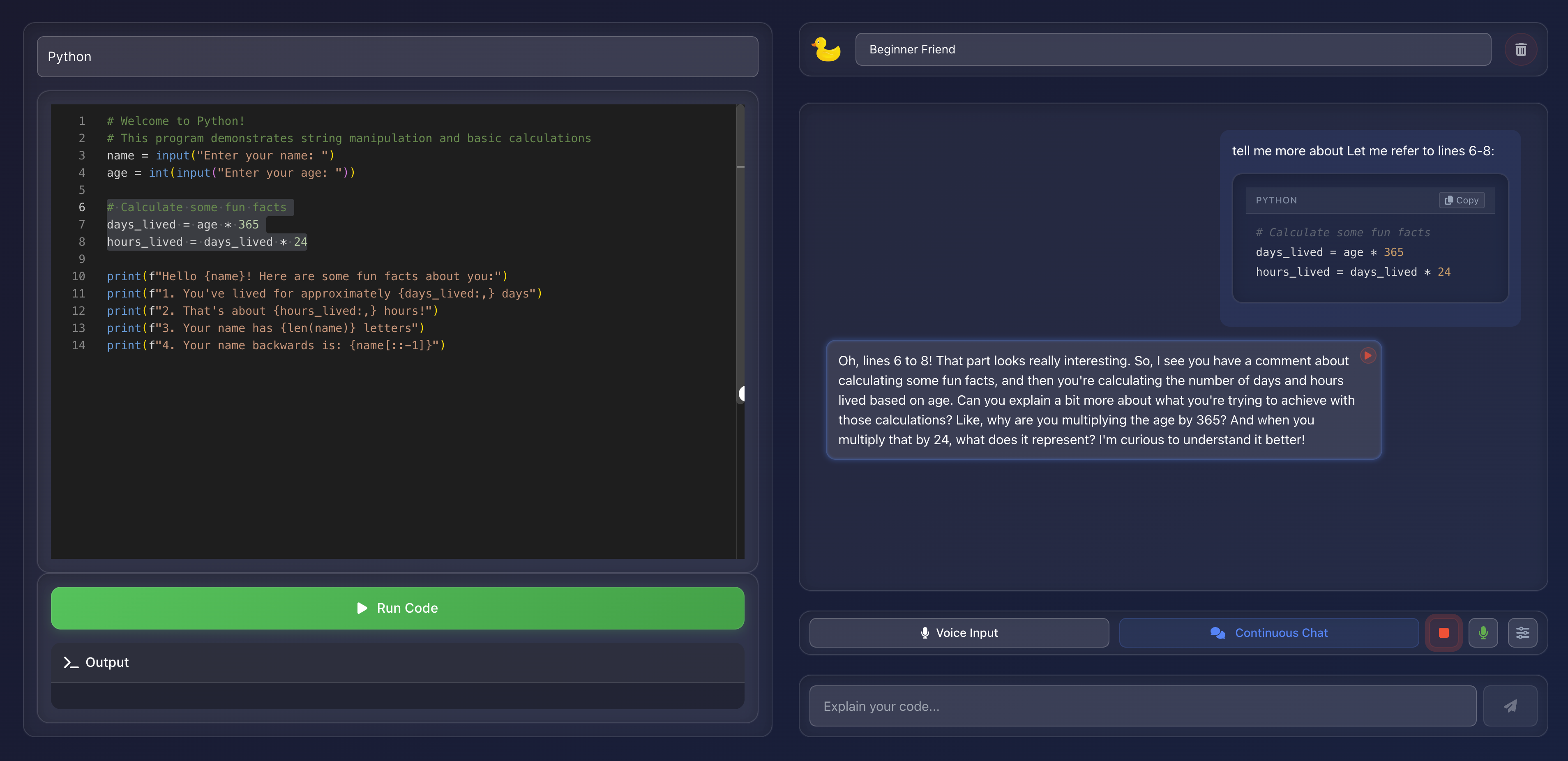
Three roles for an AI that listens to you code, and a team that took it further.
A silent duck that never calls a model, a “beginner friend” that plays a confused novice and asks one question at a time, and an expert that debugs. An undergraduate CS group joined to keep building it, found students wanted help inside Google Colab, and with our mentoring shipped it as a Chrome extension.
Web app plus Rubber Ducking for Colab on the Chrome Web StoreRubber Ducking ↗
takeback
Found by using it, not by guessing.
Before launch I ran my undo tool with real coding agents. That surfaced what no spec would: hooks the agent silently skipped, checkpoints saved twice, a stale lock that blocked later saves. The README now says plainly what it cannot undo.
Open source · 24 tests on Linux, macOS, Windowstakeback ↗
Everything I've shipped
Each product started as a question
Research systems I built or helped build at VIABLE Lab, with the question each one was made to answer.