SmartFlash — an AI flashcard study tool built around learner control
Paper · demo · slides
The problem
Students know what works. The cost of starting stops them.
Self-regulated learning is one of the strongest predictors of academic success, yet students routinely abandon the very strategies they know help. Retrieval practice with flashcards is among our best-evidenced methods, but building the cards can consume the time and attention meant for learning from them.
3 of 4
A medical student (P2) spent three of his four exam-prep months just making flashcards — and never finished reviewing them.
0
A math student (P1) abandoned flashcards entirely — “cognitively overwhelming” — despite knowing the strategy works.
Cognitive Load Theory
Preparation has become extraneous load: effort spent on the scaffolding instead of the learning it was meant to enable.
The lens · why this is a design problem, not just an engineering one
Three theories define what we should — and shouldn’t — automate.
CLT
Cognitive Load Theory
Separate extraneous load (inefficient effort, e.g. preparation) from germane load (building knowledge). Automate the first; protect the second.
Sweller, 2020SRL
Self-Regulated Learning
Learning is a cycle: plan → monitor → reflect. The metacognitive work is the engine of learning, not a by-product to be removed.
Zimmerman, 2002; Panadero, 2017HCI
Co-adaptive Partnership
Transparent, scrutable systems that allow override earn trust and effectiveness; opaque automation disempowers learners.
Gallina et al., 2015; Amershi et al., 2019
Design hypothesis: automate the extraneous burden, but keep the germane, metacognitive work in the learner’s hands.
The research gap
Automation can remove the burden — or remove the learner.
AutomationLowers the cost of starting
Generate cards, organize messy material, suggest what to review — cutting the extraneous load that blocks practice.
vs
AgencyKeeps the learner doing the learning
Verifying, editing, prioritizing, choosing — the metacognitive work self-regulation is built from.
RQ1
What difficulties and needs do learners report in authentic study practice?
RQ2
Which interaction points break down when learners use AI study tools?
RQ3
What design principles follow for AI that supports self-regulation?
The probe
SmartFlash: AI flashcards, designed around learner control.
A working prototype: learners bring their own material — pasted text, an uploaded file, or a link — and SmartFlash drafts flashcards from it, then supports studying them.
TransparentEditableConfigurable
General tools like Google’s NotebookLM already summarize documents and answer questions. We deliberately narrow to one repeated study behavior — flashcards for retrieval practice — and use it as a probe to study the automation–agency mechanism up close.
The mechanism
A small closed loop: assess, generate, study, re-assess.
01Bring material
Paste text, upload a file, or add a link — the messy source you actually study from.
optional02Check-in
A short prior-knowledge assessment, so generation targets what you don’t yet know.
03Generate cards
AI drafts flashcards as editable proposals, not final answers.
04Study & practice
A study path suggests what’s next; practice games drill recall.
loops back05Re-assess
A follow-up check confirms what stuck and surfaces what to revisit.
Two lightweight assessments bracket the session — one targets what gets generated, one verifies what was learned and feeds the next pass. Every card in between stays editable.
The prototype
Four screens, one loop.
1 · UploadPaste text, upload files, or enter a URL to start a deck.
2 · DashboardThe hub for decks, study path, upload, and practice.
3 · Study pathSuggested next steps, weak topics, and review timing.
4 · Practice gamesQuiz, matching, and timed recall, with progress tracking.
Each arrow is also a design handoff — a moment where work passes between the system and the learner. Those handoffs are what our study examined.
Method · formative design study
Three phases, six learners, their own materials.
01
AI-seeded hypotheses
We prompted GPT-5 to generate testable assumptions about learner needs and pain points — a structured starting frame, not findings.
02
Researcher walkthroughs
Two researchers ran independent cognitive walkthroughs of the core workflow, flagging friction and over-automation.
03
Student think-aloud
Six students used the prototype with their own materials in 60-minute sessions, paired with interviews on how they actually study.
Every participant named material preparation as the main obstacle. Automating it drew immediate, strong relief — they called it a “life-saver.”
“I spend all my energy preparing instead of learning.”P5 · Biology
AI caught preparation is time-consuming. AI missed how severely it distorts behavior — to the point of abandoning the strategy.
Multiple input paths lower the cost of startingBut generated material still needs inspection
Suggested next steps reduce planning loadLearners still want to know why a topic is suggested
Finding 2 · Metacognitive
“I don’t know what’s next” turns into avoidance.
Uncertainty about study direction wasn’t just inconvenient — it produced anxiety and procrastination. The Smart Study Path was strongly endorsed.
“Without knowing what to do next, I get overwhelmed and avoid starting.”P5 · Biology
AI caught difficulty prioritizing. AI missed the emotional weight — the anxiety and avoidance underneath it.
Finding 3 · Agentive — the heart of the paper
Trust was built through control.
Students didn’t want AI cards as final answers — they wanted proposals to check, revise, and discard. The single most frequent complaint: generated cards couldn’t be edited.
“I wanted to edit, but it doesn’t allow it. This makes me anxious.”P1 · Mathematics
AI caught automation benefits. AI missed the need for control and verification entirely.
InspectableCan I see what the AI made, and where it came from?EditableCan I fix wording, emphasis, difficulty, examples?DiscardableCan I remove weak items without fighting the system?
Editing isn’t error correction. It’s how external information becomes the learner’s own knowledge — cognitive ownership.
Finding 4 · Affective
Motivation features split the room.
Leaderboards energized some learners (“it makes me more eager”) and shut others down. One asked for streaks instead of social comparison. The same feature can motivate and demotivate.
“Higher score doesn’t mean anything to me… It makes me anxious. It demotivates me.”P1 · Mathematics
AI caught nothing here. AI missed the variability — that one design splits learners.
Choice among practice formats mattersCompetition needs to be adjustable
Synthesis · the paradox
Reducing the burden can remove the learner.
Automation that lowers preparation load can quietly displace the verification, editing, and choice that self-regulation is built from. The goal isn’t maximum automation, or total control — it’s a balance negotiated at each handoff between system and learner.
Too little automation preparation devours learningbalance, negotiated per handoffToo much automation the learner stops learning
Contribution 1 · design principles
Scaffold participation, not replacement.
Drafts, not decisions
Generated cards arrive as transparent, editable proposals that invite learner judgment and ownership.
← Finding 3
Scaffold, don’t prescribe
Guidance clarifies direction with a rationale, and stays easy to accept, adapt, or ignore.
← Finding 2
Fit motivational diversity
No universal gamification. Let learners tune pace, competition, and feedback intensity.
← Finding 4
Show the seams
Make uncertainty visible — flag where AI output may be weak or worth checking.
← Findings 1–3
Contribution 2 · methodological insight
The AI named the “what.” Humans found the “why.”
Across all four findings, the same pattern: LLM-seeded hypotheses reliably caught the functional problems and consistently missed the human ones. That gap is itself a finding.
CaughtPreparation is time-consuming; learners struggle to prioritize.MissedThe anxiety, overwhelm, and avoidance underneath it.MissedThe need to edit and own AI output; that motivation splits learners.
LLMs surface features; lived experience needs humans. In an AI-seeded workflow, human-centered analysis isn’t optional scaffolding — it’s where the insight came from.
Takeaway
Design the handoffs, not the autonomy dial.
The useful question isn’t “how much can we automate?” It’s which parts of self-regulation must stay in the learner’s hands — and designing each point where work passes between AI and learner accordingly.
AI draftsLearner inspectsLearner revisesSystem adapts
Next: longitudinal work on whether sustained AI support builds or atrophies self-regulation, and larger, more diverse samples.

 Paper · demo · slides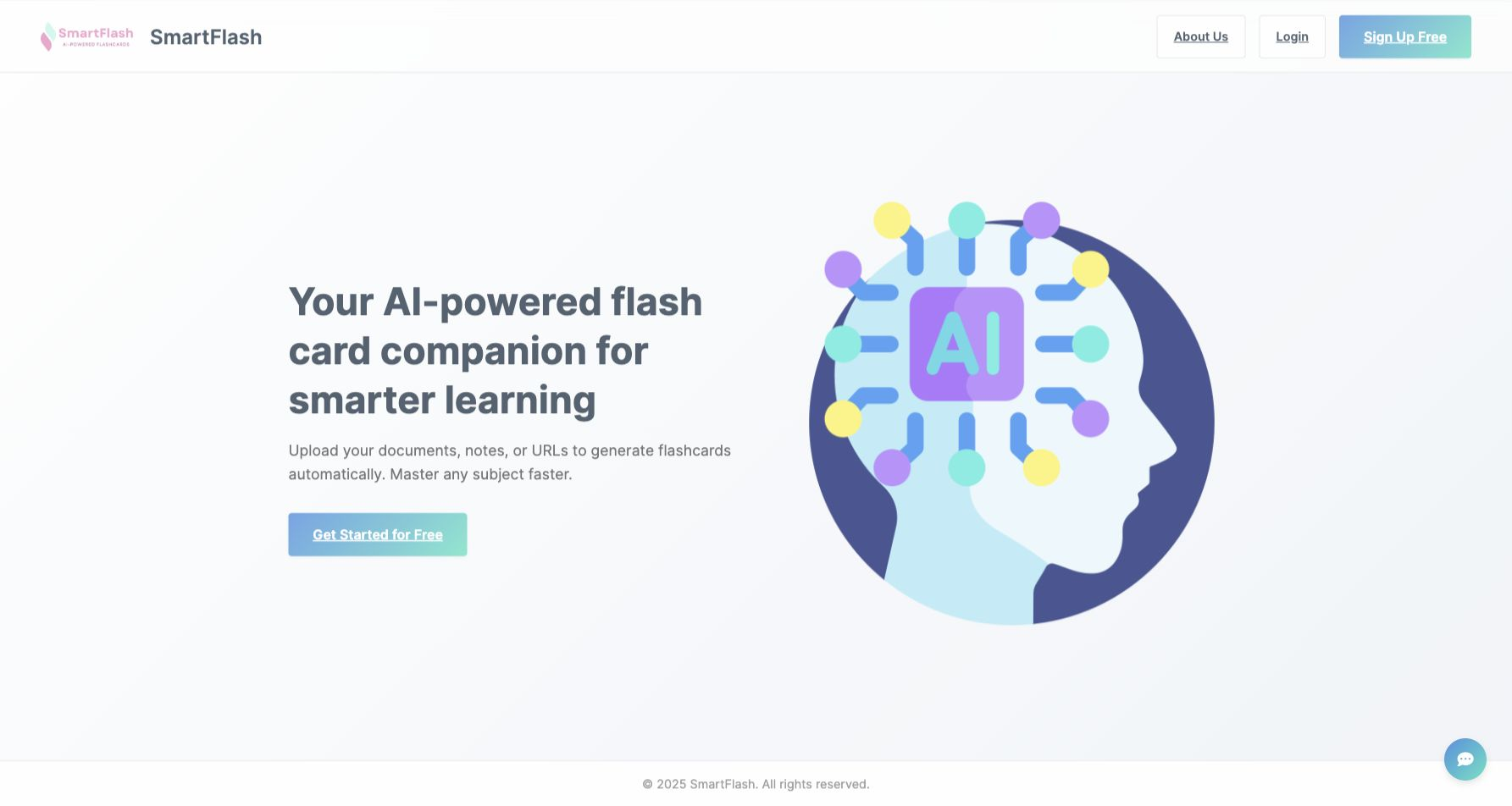
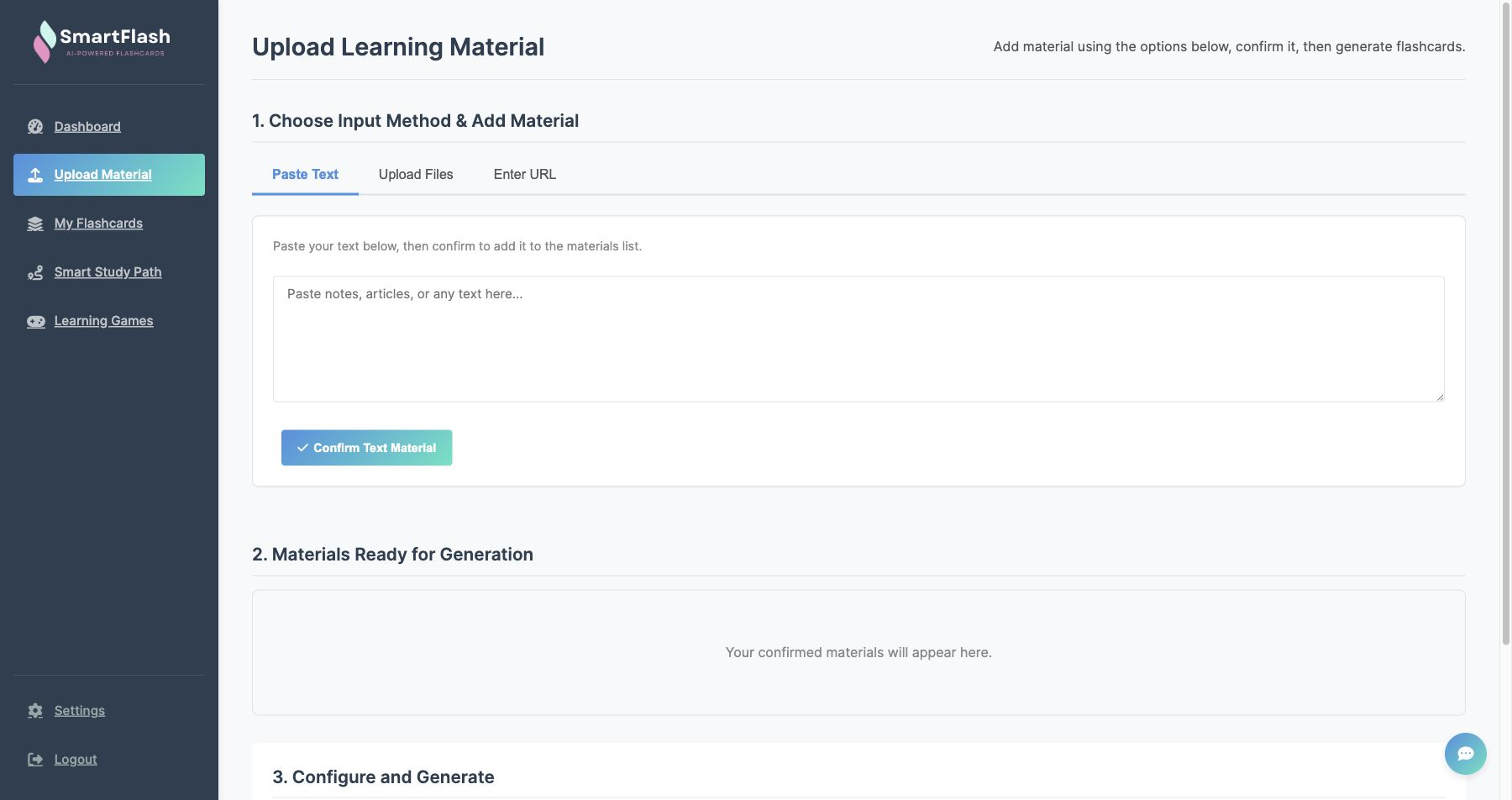 1 · UploadPaste text, upload files, or enter a URL to start a deck.
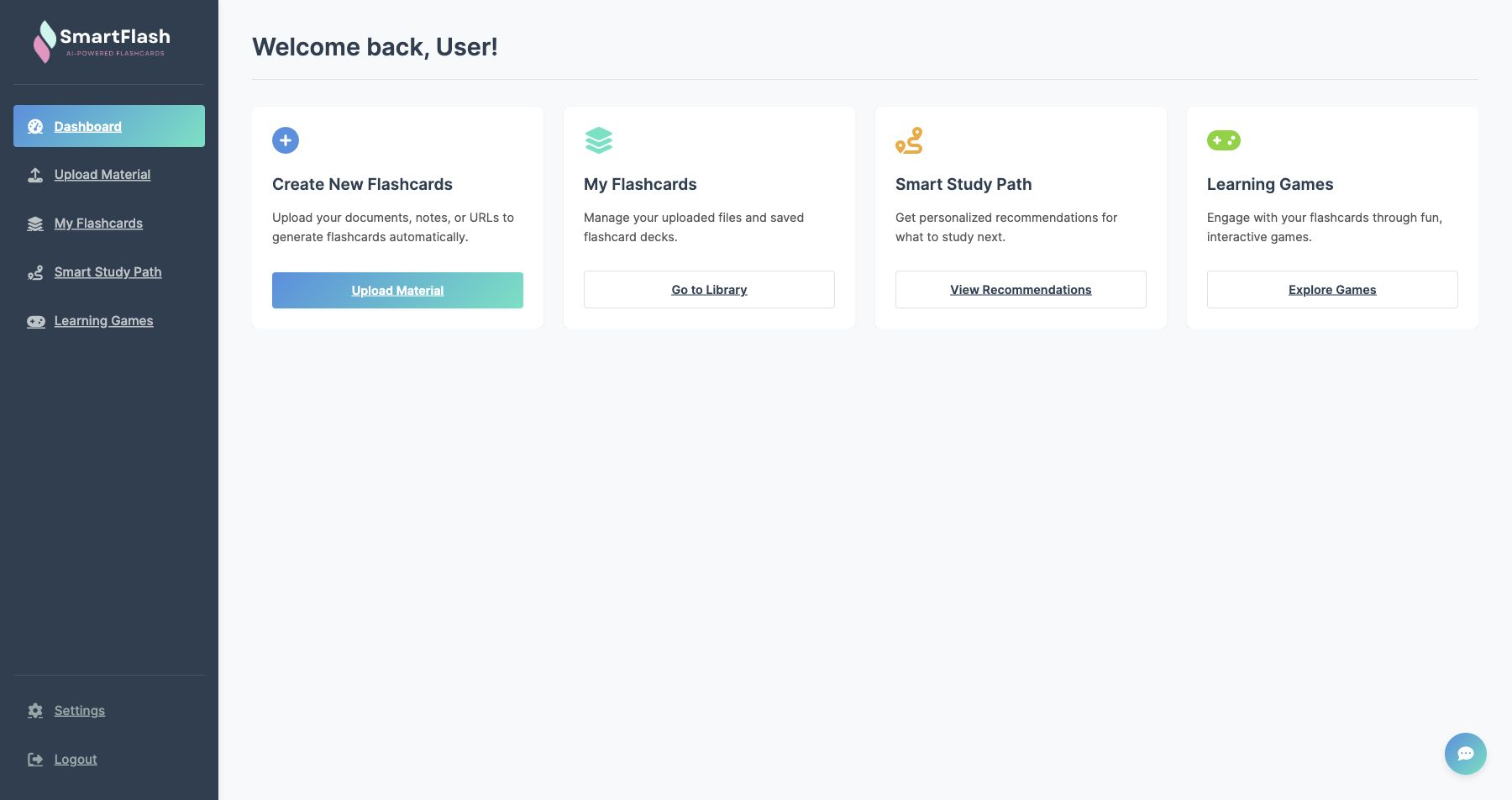 2 · DashboardThe hub for decks, study path, upload, and practice.
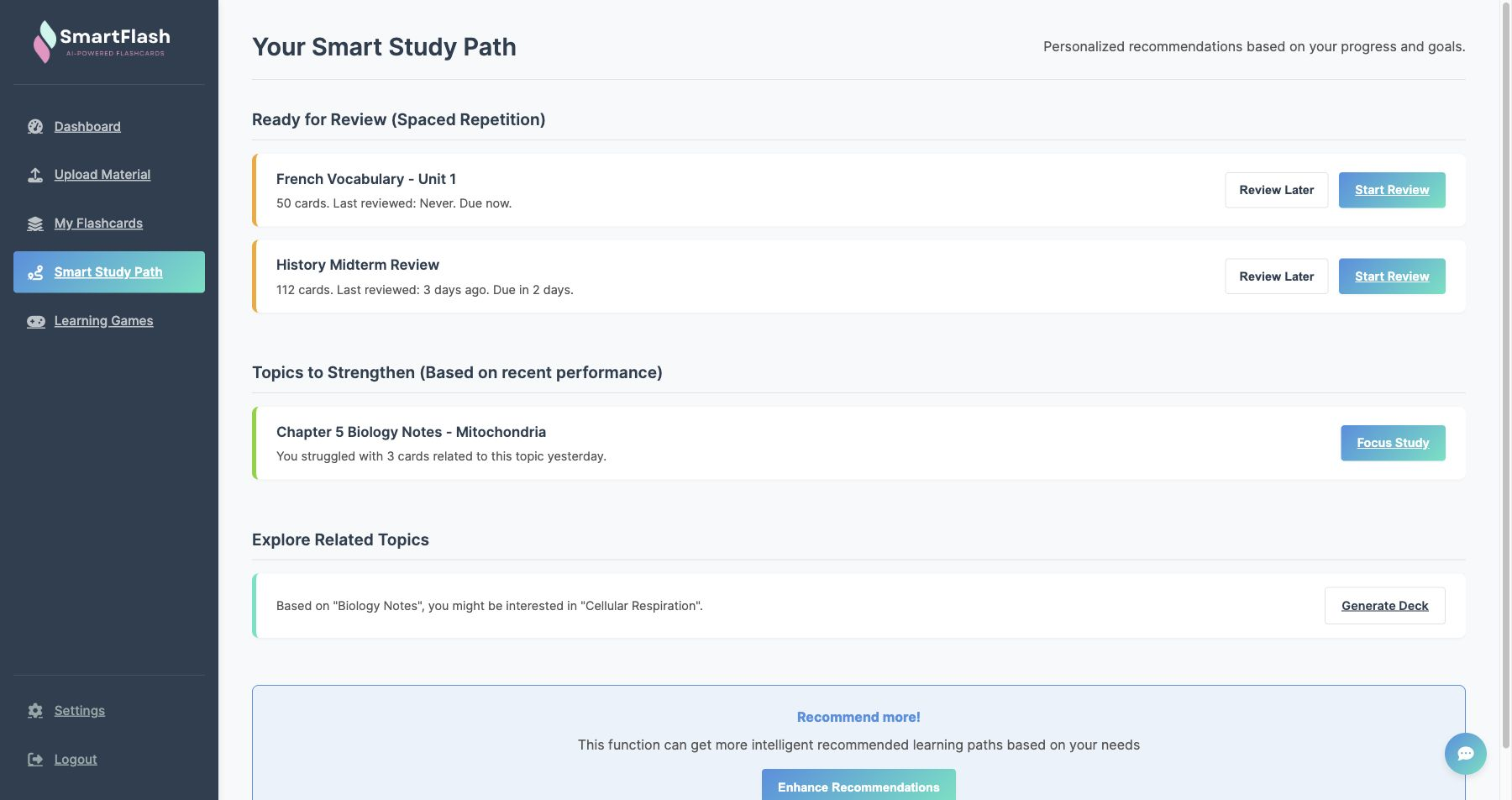 3 · Study pathSuggested next steps, weak topics, and review timing.
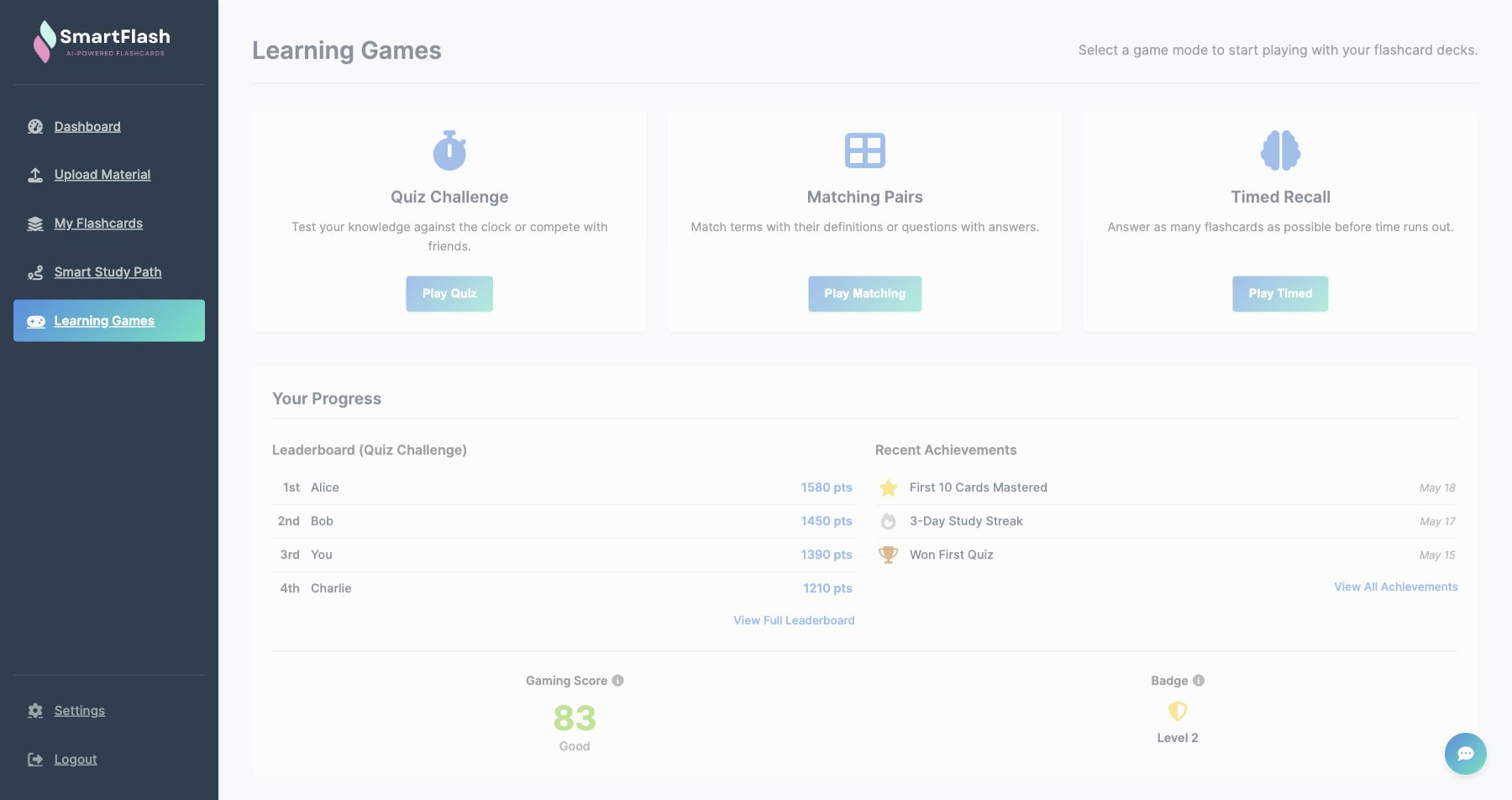 4 · Practice gamesQuiz, matching, and timed recall, with progress tracking.
 Hongming (Chip) LiPhD Candidate
 Salah EsmaeiligoujarPhD Student
 Nazanin AdhamiPhD Candidate
 Hai LiPhD Candidate
 AdvisorDr. Rui (Tammy) HuangClinical Assistant Professor